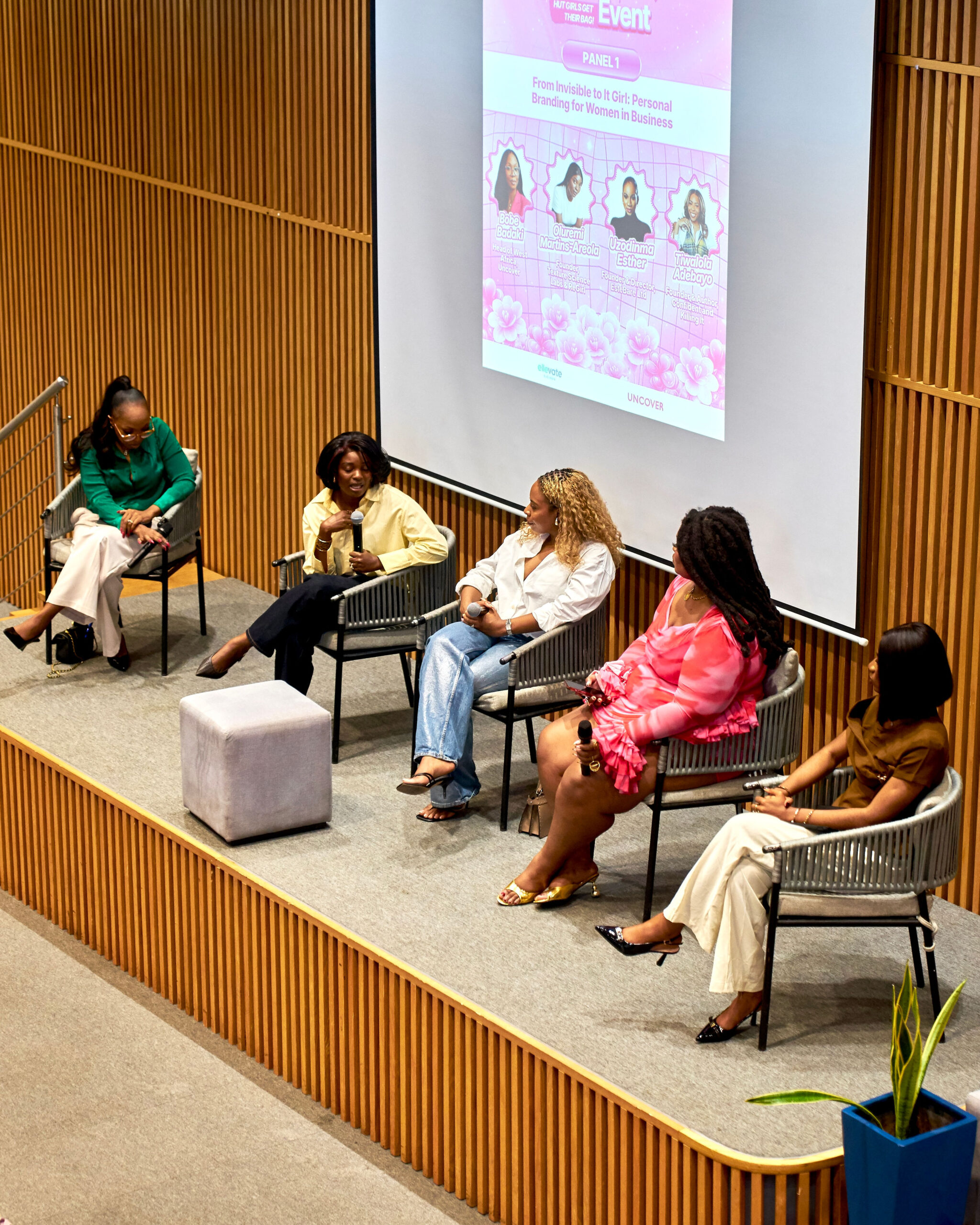
A growing conversation around digital presence has highlighted why many Nigerian women remain underrepresented online, despite their qualifications and achievements.
Communications professional Paula Pwul recently drew attention to the issue, pointing out that many capable women are not lacking in ideas or expertise, but are instead held back by concerns about public perception.
According to Pwul, a common internal question, “What will people think?”, continues to shape how many women engage with digital platforms. This concern, she explains, is deeply influenced by Nigeria’s strong social and cultural structures, where family, religious communities, and long-standing relationships play a significant role in personal decision-making.
While these structures promote accountability and shared values, they can also create pressure to conform, leading to hesitation in public expression.
Pwul identified several key factors contributing to this trend. One major concern is the fear of failing in public. Unlike private efforts, online activities are visible and can attract scrutiny, making many reluctant to take risks.
Another factor is the perception of confidence. Women who present themselves assertively online may face criticism or be labelled negatively, which discourages open expression of expertise.
There is also the fear of judgment from familiar circles. Reactions from family members, colleagues, or religious communities are often seen as more significant than those from unknown audiences online.
As a result, many women limit their participation or avoid digital platforms altogether, focusing more on avoiding criticism than on reaching their intended audience.
Experts note that this pattern has broader implications. When experienced and knowledgeable women are absent from online spaces, public narratives are shaped by those who are more willing to be visible, regardless of their level of expertise.
However, Pwul emphasized that visibility often begins despite fear, not in its absence. She noted that women who choose to engage online frequently discover that the anticipated backlash is less severe than expected, while support and opportunities tend to increase over time.
She also highlighted a shift in mindset, encouraging women to view online visibility not as self-promotion, but as a way of contributing value and reaching those who may benefit from their knowledge and experience.
Observers believe that increasing women’s participation online could influence representation, reshape public perception, and create opportunities for younger generations.
Source: Insights adapted from commentary by Paula Pwul
Featured Image: Karolina Grabowska for Pexels