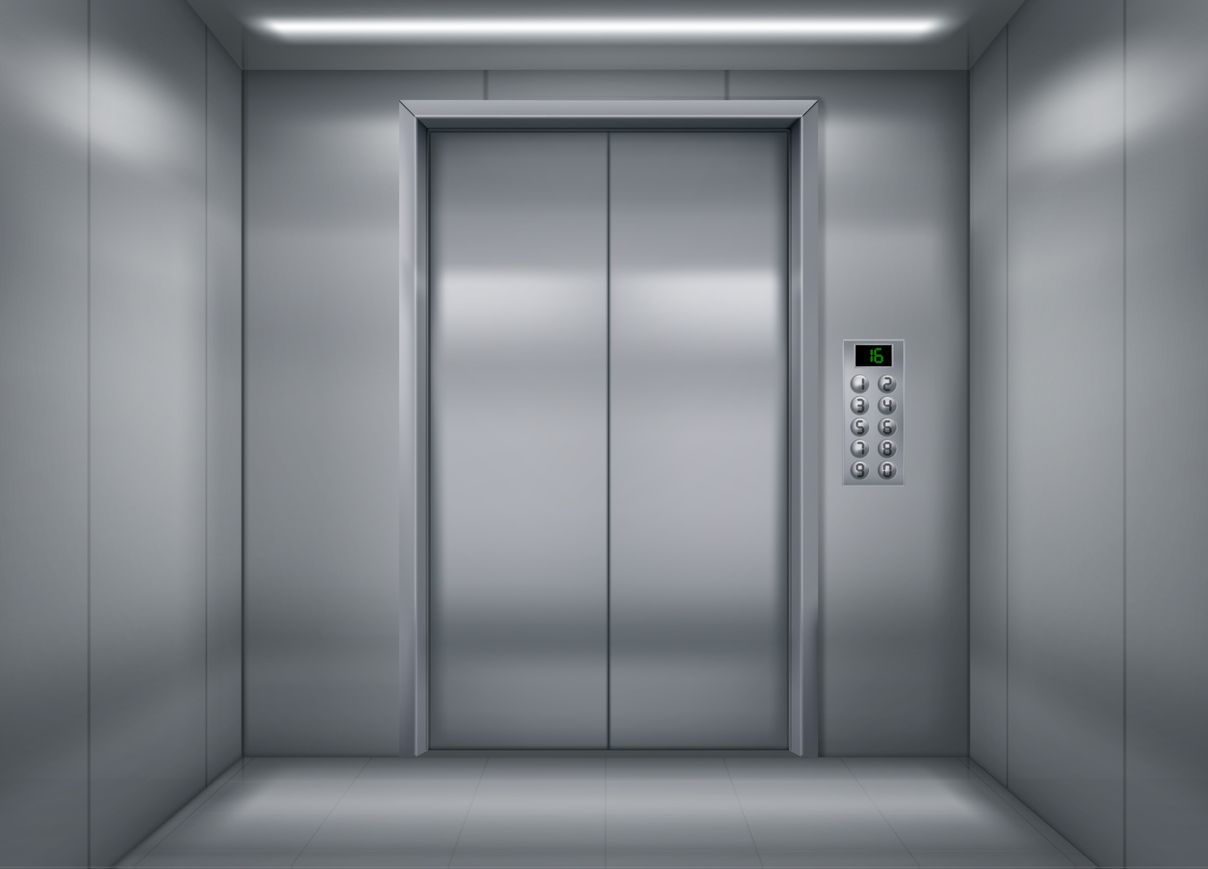
Concerns are growing over the safety of elevators in Nigeria following several recent incidents where people were trapped inside lift systems in major cities. Experts now say the problem may go beyond mechanical failure, pointing instead to unstable electricity supply as a major hidden risk.
Industry professionals are calling on the Federal Government to take stronger action to improve power quality in the country, warning that inconsistent electricity can disrupt modern elevator systems and put lives at risk.
⚡ Why Power Supply Is Becoming a Safety Issue
The Country Director of Zagus Power Systems Limited, Ken Ezeagu, explained that modern elevators are no longer purely mechanical systems.
According to him, today’s elevators depend heavily on electronic components, control systems, and variable speed drives that require stable and clean power to function properly.
He warned that even brief disruptions in electricity supply can interfere with operations and cause elevators to stop suddenly between floors.
He said:
“Elevators today are no longer purely mechanical systems. They rely heavily on advanced electronics, control systems, and variable speed drives, which require stable power to function properly. Even a brief disturbance in power supply can interfere with elevator operations, causing control systems to shut down unexpectedly or halt between floors, leaving occupants stranded,” Ezeagu explained.
🏥 Wider Risks Beyond Elevators
Ezeagu also noted that poor power quality does not only affect elevators but also other critical sectors that depend on stable electricity.
He explained that industries such as healthcare, broadcasting, and data infrastructure are especially vulnerable to power instability.
He said:
“Across sectors such as healthcare, broadcasting, and data infrastructure, unstable power can interrupt operations, distort outputs, and damage sensitive equipment,” he added.
According to him, power fluctuations can lead to equipment damage, service interruptions, and financial losses across multiple industries.
🔋 Misconceptions About Backup Power Systems
The power expert also addressed a common misconception that using an uninterruptible power supply automatically guarantees protection from electricity issues.
He clarified that many standard backup systems only provide temporary power support without properly regulating voltage fluctuations.
He advised the use of more advanced systems such as True Online or Double Conversion UPS, which continuously regulate and stabilize incoming electricity to ensure consistent output.
⚠️ Call for Better Investment in Power Infrastructure
Ezeagu warned that relying on cheaper or less advanced power solutions could increase risks in critical environments such as high rise buildings, hospitals, and data centers.
He urged developers, facility managers, and business owners to prioritize power quality, not just power availability, in their infrastructure planning.
He emphasized that understanding the difference between basic backup systems and advanced power conditioning technologies is key to preventing avoidable accidents.
He also noted that improved awareness and investment in reliable systems would significantly reduce incidents linked to elevator malfunctions and other power related failures.